

Introduction
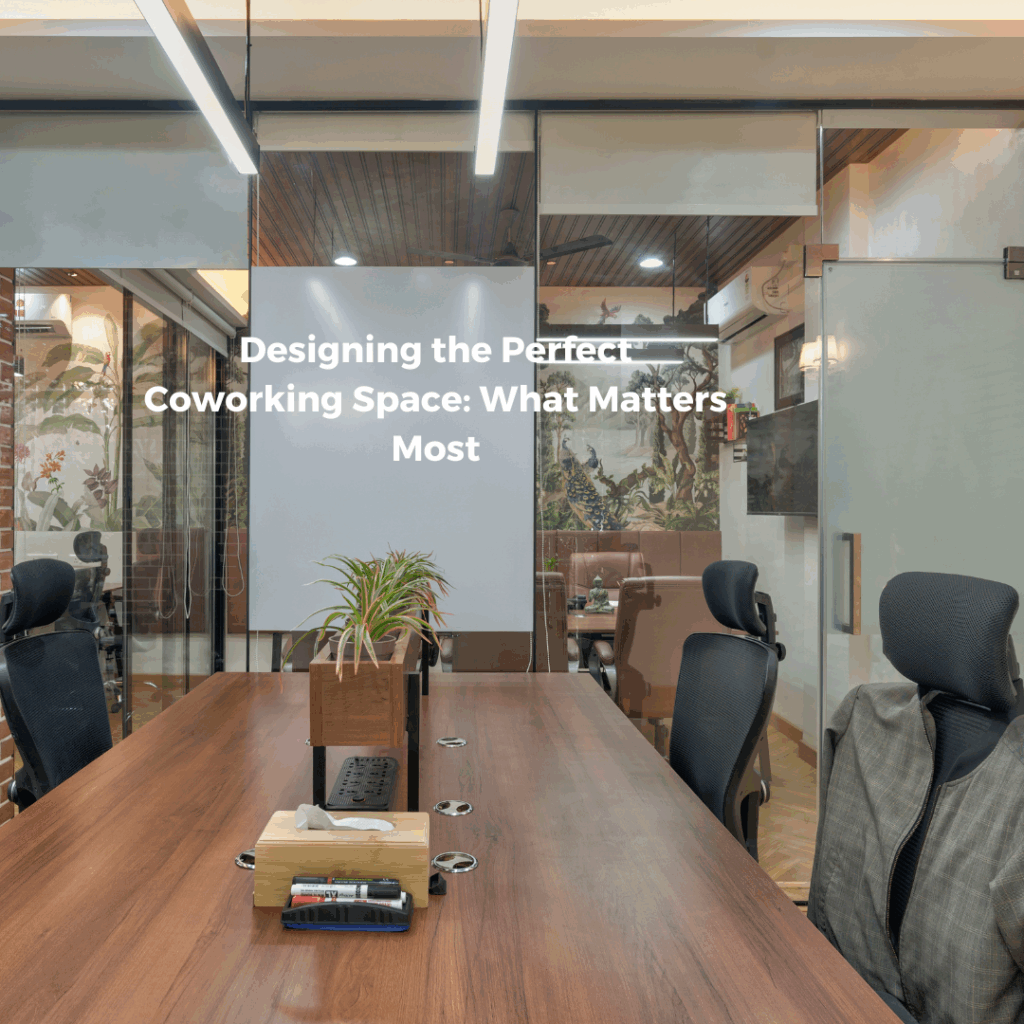
As work culture continues to evolve, coworking spaces are no longer just about shared desks and fast Wi-Fi—they’re about experience, functionality, and community. At Mushroom Space, we believe that great design is the foundation of a successful coworking environment. But what really makes a coworking space “perfect”?
In this blog, we dive into the essential elements of coworking space design that matter most—for freelancers, startups, remote teams, and corporate professionals alike.
- Flexibility Is Non-Negotiable
Coworking spaces must cater to a wide range of users—from solo freelancers to full-scale corporate teams. This makes modular and flexible design crucial.
What it includes:
Hot desks, dedicated desks, and private cabins
Expandable spaces for growing teams
Multi-use zones for events, workshops, or presentations
Tip: Walls on wheels, movable furniture, and collapsible partitions can dramatically increase flexibility without compromising style.
- Balance Between Collaboration & Focus
Too much openness can be distracting. Too much privacy can kill creativity. The best coworking spaces strike a balance between collaborative energy and personal focus zones.
Must-have zones:
Open lounges for casual meetings and networking
Quiet zones or phone booths for deep work or calls
Meeting rooms with soundproofing for group discussions
Pro Tip: Acoustic panels and zoning through interior design (like plants or bookshelves) help create a natural flow.
- Natural Light & Ergonomics
It’s not just about looking good—it’s about feeling good too.
Natural light improves mood, productivity, and energy levels
Ergonomic furniture helps avoid fatigue and discomfort
Ventilation and temperature control are essential for comfort
At Mushroom Space, we prioritize open windows, breathable layouts, and chairs that support long work hours.
- Aesthetics That Inspire
Design isn’t only functional—it should also be inspiring. A visually appealing space can elevate mood, boost creativity, and reinforce brand identity.
Ideas to consider:
Local art or murals that reflect community culture
Color palettes that energize or calm depending on the zone
Unique decor elements like neon signs, plants, or upcycled furniture
Fun Fact: Studies show that people are more productive in visually engaging environments than in plain, sterile ones.
- Tech-Enabled Infrastructure
Behind the scenes, a perfect coworking space runs on smooth technology infrastructure. Without it, even the most beautiful office becomes frustrating.
Essentials:
High-speed, secure Wi-Fi
Smart access control & digital booking systems
AV equipment in meeting rooms
Ample charging points and cable management
Pro Tip: Future-ready spaces integrate IoT solutions, wireless charging stations, and app-based room reservations.
- Community & Comfort Spaces
A big part of coworking success is community. Design can encourage natural interaction and networking.
Design features that foster community:
Communal kitchens or coffee bars
Comfortable breakout zones with couches or bean bags
Event spaces for community meetups, workshops, or game nights
Don’t forget the small luxuries: clean restrooms, stocked pantries, and maybe a nap pod or two.
- Sustainability Matters
Modern professionals care about the planet. Eco-conscious design isn’t just a trend—it’s a responsibility.
Green design tips:
Use natural materials and low-VOC paints
Install LED lighting and motion sensors
Encourage recycling with clearly marked bins
Incorporate indoor plants to improve air quality and aesthetics
Final Thoughts
Designing the perfect coworking space is a blend of form and function, aesthetics and practicality, comfort and community. When done right, it doesn’t just provide a place to work—it enhances the way people work.
At Mushroom Space, we’ve designed our workspaces in Pune with intention, creativity, and user experience at the core. Whether you’re a solopreneur or a 20-member team, we’ve got a space that works for you—and inspires you.